

Blog Artificial Intelligence
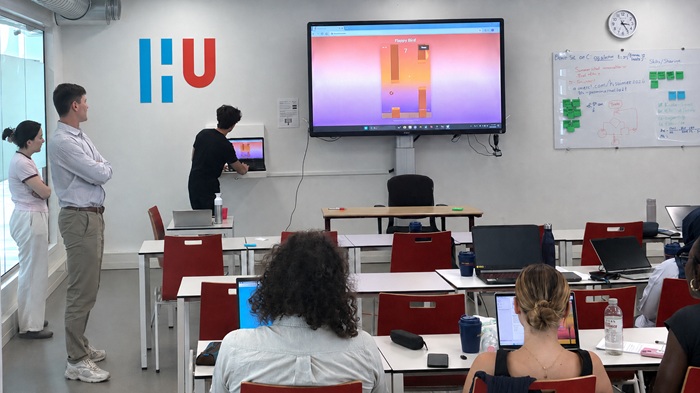
Utrecht Summerschool ‘AI for non-AI students’
Every year the AI research group of the Utrecht University of Applied Sciences organises a summer school for international students that want to visit Utrecht and learn about a new research field. The course is open for students from all fields, and was attended this year by 15 students with backgrounds in law, economics, engineering,…
Sieuwert van Otterloo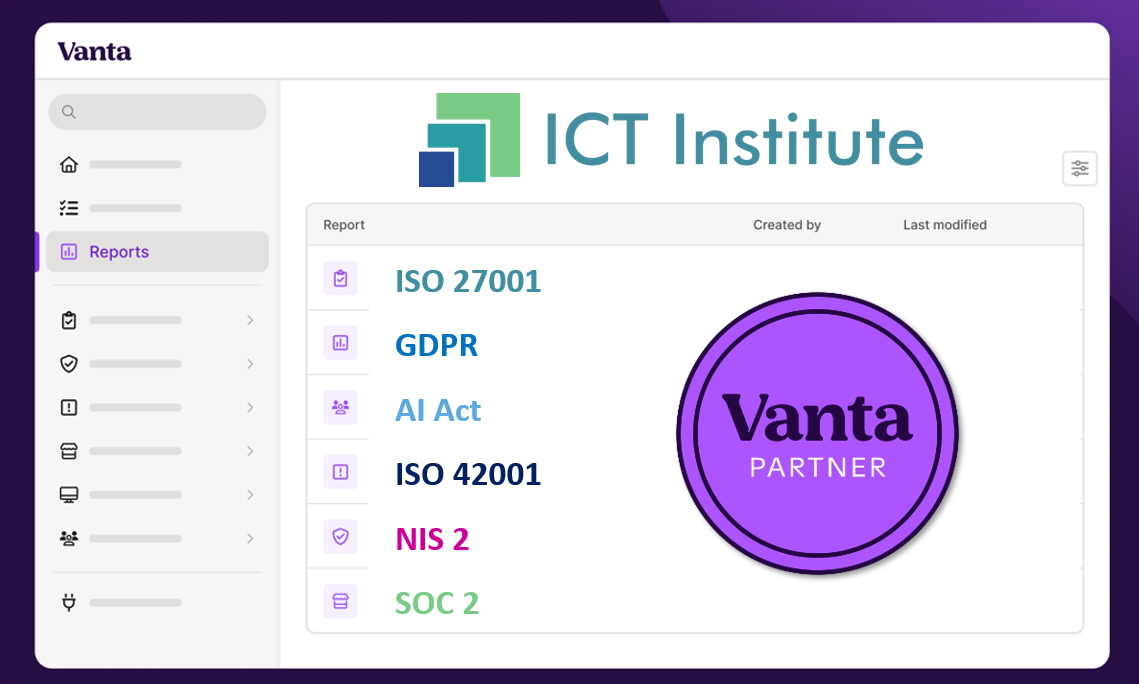
ICT Institute is now a Vanta partner: what users told us
At ICT Institute, we support customers with all kind of tooling: classic self-contained templates, Google Workspace, Notion and now Vanta. For our clients that work towards ISO 27001, we can now combine our hands-on ISMS advice (scoping, risk workshops, internal audits) with a compliance platform that takes a lot of the manual effort of collecting…
Pavlo Burda
Implementing ISO 42001: example audit report
In our previous article on the AI Risk Management System, we explained how an AIMS can help organizations structure AI governance and support compliance efforts with the AI Act. Here we introduce our new template for auditing and structuring your AIMS and prepare for ISO 42001 certification. What is the AIMS? ISO 42001 requires organizations…
Pavlo Burda
The AI Act Risk Management System
In this article we explain what an AI Risk Management System (RMS) is, and why it is required by the AI Act for high-risk AI systems. We outline the components of the AI RMS and how you can potentially leverage, for example, your existing ISO 27001 work for ISO 42001 compliance. The AI Act:…
Pieter t Hoen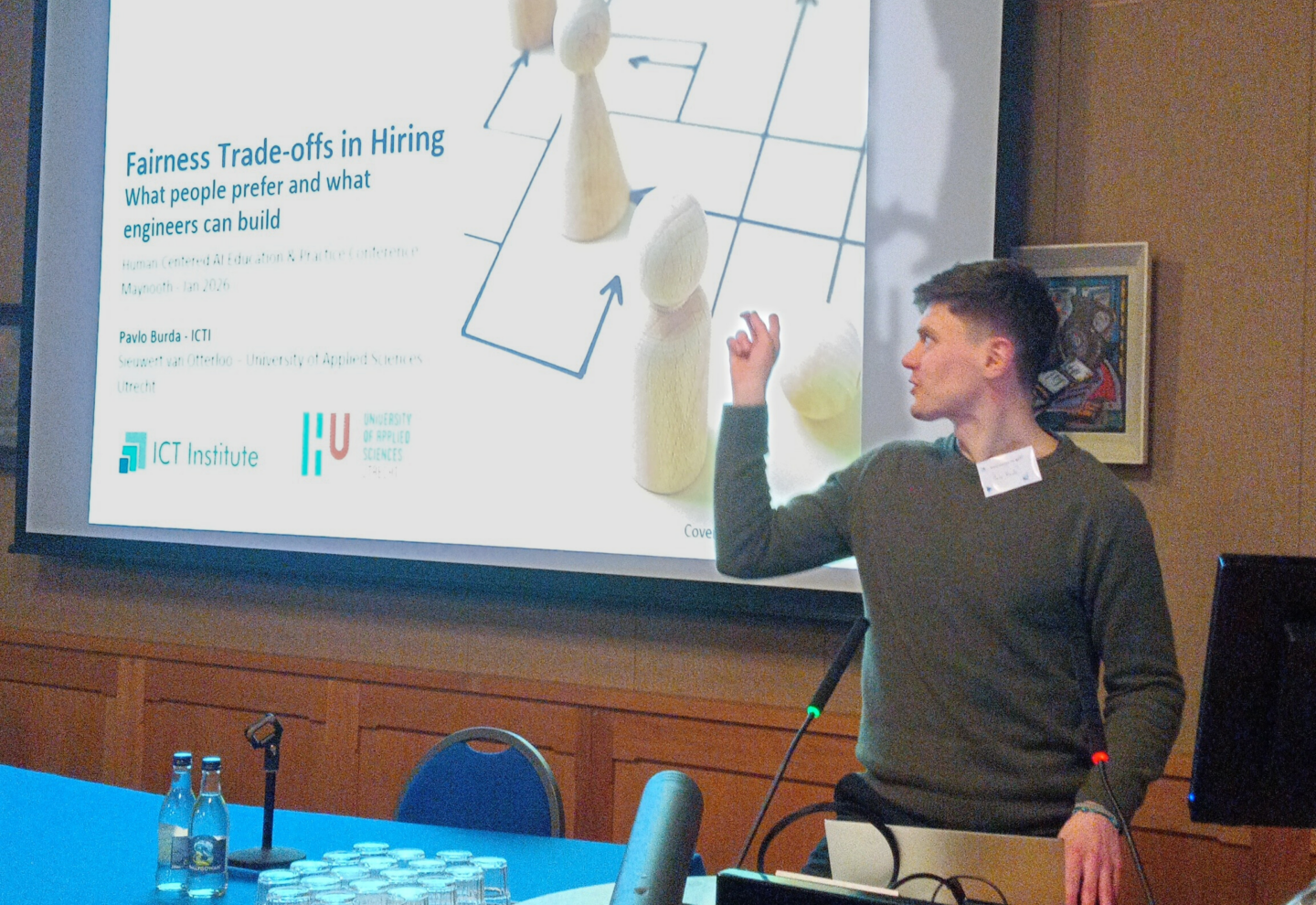
HCAI-ep 2026: Human-Centered AI in Practice
The Human-Centered AI Education & Practice (HCAI-ep) conference focuses on how to design and evaluate AI systems that remain aligned with human values and real-world constraints. This is exactly where many organisations struggle today, especially in light of emerging regulation such as the EU AI Act. At HCAI-ep, we presented our work on fairness requirements…
Pavlo Burda